 Woking:



-
-

-
-

-
-
-
-

-

-
-

From £0.33 EX VAT
shop now -

From £0.42 EX VAT
shop now -

From £0.42 EX VAT
shop now -

From £4.36 EX VAT
shop now -
From £12.08 EX VAT
shop now -

From £17.38 EX VAT
shop now -

From £21.54 EX VAT
shop now -

From £84.00 EX VAT
shop now -

From £132.87 EX VAT
shop now
Cable Lugs, Splices & Connectors
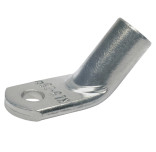
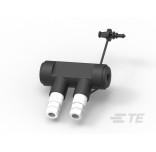
Jointing Tech supplies cable lugs, splices and connectors for low-voltage, high-voltage, utility, industrial, rail and infrastructure applications. Our range includes copper and aluminium lugs, compression connectors, mechanical lugs and connectors, LV straight connectors, pre-insulated terminals, insulated-piercing connectors and specialist CNE connection products.
The correct cable connector is essential for creating a reliable electrical connection between a cable and equipment, another cable or a termination point. With extensive industry experience, our technical team can help you identify the right product for your conductor material, conductor size, cable type and installation requirements.
Cable lugs and connectors must be selected to suit the cable conductor and the connection being made. Before ordering, confirm whether the conductor is copper or aluminium, the conductor cross-sectional area, conductor class, number of cores, connection type and the terminal or equipment interface.
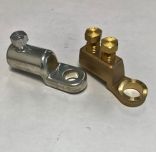
Use compatible crimping tools and dies for compression lugs and splices. Mechanical connectors are used for applications where installation flexibility is desired, with bolts or shear-bolt technology used to hold the conductor. Pre-insulated terminals are usually used for low current-carrying capacity conductors or for control or panel wiring, while insulated-piercing connectors are designed for special compatible cable connection arrangements.
For LV and HV applications, the electrical and mechanical demands of the installation must be considered alongside the connector size. Check the voltage class, current rating, fault-duty requirements where relevant, cable insulation, environment and required sealing or jointing system. The connector may also need to be compatible with a cable joint or termination kit.
Installation quality is critical. Use the manufacturer-approved tooling, die set, torque settings and preparation method for the chosen lug, splice or connector. Incorrect tools or installation methods can affect the performance of the completed connection.
To help us identify the correct product, provide the cable conductor material, conductor size, cable type, application, terminal stud size where relevant, voltage level and any existing product reference or project specification.
FAQs
What is the difference between a cable lug and a cable connector?
A cable lug normally terminates a conductor onto a stud, busbar or equipment connection point. A connector or splice joins one conductor to another.
How do I choose the correct cable lug?
Confirm the conductor material, conductor size, terminal-hole or stud size, cable type, voltage application and required installation method.
Can copper and aluminium conductors be connected together?
A suitable purpose-designed connector or transition arrangement should be used. Do not assume a standard copper or aluminium connector is suitable for mixed-material connections.
Do I need a specific crimp tool?
Many compression lugs and splices require manufacturer-compatible crimping tools and dies. Always follow the manufacturer’s installation guidance.
Need help choosing a connector?
Contact Jointing Tech with your cable conductor details, application and required connection type for technical support.
Quick Links
- LV Lugs & Splices
- LV Mechanical Lugs
- LV Straight Connectors
- HV Copper Lugs & Compression Splices
- HV Mechanical Lugs & Connectors
- Pre-Insulated Terminals
- Insulated Piercing Connectors
- Connector Holding & Shear-Off Tools
- MV Cable Joints
- LV Cable Joints
- MV Terminations
