 Woking:



Choosing a cable lug, splice or connector involves more than matching the conductor size. Conductor material and class, terminal dimensions, connection method and application requirements all help determine which product is suitable.
Our guides explain the different connection options, the checks to make before installation and the information needed to prepare a clear specification. Start with our Cable Lugs, Splices & Connectors: Selection Guide for an overview, or explore the articles below for guidance on specific selection questions.
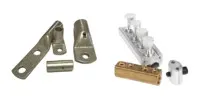
Cable Lugs, Splices & Connectors: Selection Guide
Kathy Wheater-Ayre | 05th October,2026
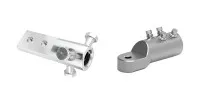
Common Cable Lug and Connector Selection Mistakes and How to Avoid Them
Kathy Wheater-Ayre | 12th October,2026
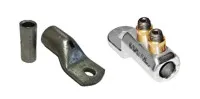
Compression vs Mechanical Cable Connectors: Which Is Right for Your Application?
Kathy Wheater-Ayre | 19th October,2026
Compression or mechanical cable connectors? Compare the selection considerations, tooling requirements and application checks before choosing a connection method.
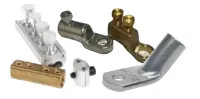
How to Specify the Right Cable Lug or Connector: A Step-by-Step Checklist
Kathy Wheater-Ayre | 26th October,2026
Work through the information needed to specify a cable lug or connector, from conductor details and terminal dimensions to tooling and application requirements.
The conductor material, size, and class, and whether the connection is cable-to-equipment (a lug) or cable-to-cable (a connector). For lugs, enter the size of the studs and the number of holes. Also consider the system voltage, the joint or termination kit it will be fitted for, and the tooling on hand.
Conductor class describes how the conductor is made, from solid (Class 1) and stranded (Class 2) to flexible (Class 5) and extra-flexible (Class 6). Flexible conductors have a larger overall diameter for the same cross-section, so they may need a lug with a wider barrel. Using a lug designed for a different class can lead to a poor crimp and overheating in service.
Measure the stud or bolt on the equipment terminal, or check the equipment drawing or manual, for example M10, M12 or M16. For two-hole lugs, also confirm the hole centres. If you are replacing an existing lug, the hole size is often stamped on the palm.
Yes. Most mechanical connectors are range-taking, so one connector covers a band of sizes, such as 35–150mm² or 95–240mm². The conductor must sit within the approved range on the datasheet. Reducing connectors are available for joining two conductors of different sizes.
Check the product datasheet for the approved conductor materials and the test standard it meets, such as IEC 61238-1. Many mechanical connectors are rated for both copper and aluminium. Compression connectors are usually made for one material, and a copper-to-aluminium connection may need a bi-metallic product. Datasheets for many of our products are on the Downloads page.
Yes. Compression lugs and splices need a crimping tool with enough force for the size and material, and a die that matches the lug, the conductor size and the conductor material. Always follow the manufacturer's crimping instructions. See our range of crimping tools.
A compression connector is permanently crimped onto the conductor with a tool and die, and is usually made for one conductor size. A shear-bolt connector clamps the conductor with bolts whose heads shear off at a set torque, and usually covers a range of sizes. Neither is better in every case.
Not always. Connectors for MV and HV use must suit the voltage rating and fit within the dimensions and stress-control design of the joint or termination. Check the connector's voltage rating and the accessory instructions before using it outside its stated application.
Yes. Many MV cable joints and MV terminations set requirements for connector type and maximum length and diameter, and some kits include the lugs or connectors. Always check the kit instructions before choosing a connector separately.
Photograph it from several angles and include any markings on the barrel or palm. Note the cable size and material, the stud size and the equipment it connects to. Send these details to our technical team and we can help identify a suitable replacement.
Cable Lug and Connector Guides
Cable Lugs, Splices & Connectors: Selection Guide
Choosing a cable lug, splice or connector involves more than matching the conductor size. Here’s what to check before specifying a connection.
Common Cable Lug and Connector Selection Mistakes and How to Avoid Them
From conductor compatibility to tooling, this guide explores cable lug and connector selection mistakes and the checks to make before installation.
Compression vs Mechanical Cable Connectors: Which Is Right for Your Application?
Compression or mechanical cable connectors? Compare the selection considerations, tooling requirements and application checks before choosing a connection method.
Compare compression and mechanical connectors
How to Specify the Right Cable Lug or Connector: A Step-by-Step Checklist
Work through the information needed to specify a cable lug or connector, from conductor details and terminal dimensions to tooling and application requirements.
Use the specification checklist
Understanding Cable Lugs, Splices and Connectors
The first step is to identify the connection being made. A cable-to-equipment connection has different interface requirements from a cable-to-cable connection, even where the conductor sizes are the same.
Conductors are connected to equipment terminals or other connection points via cable lugs. The term ‘conductor' is used for conductors in general, and ‘splice' is used for joining conductors together. Knowing these differences can help to reduce the number of products to consider when reviewing individual specifications.
Our guide to cable lugs, splices and connectors explains the terminology, the main product types and the selection considerations that apply to each.
Matching the Connection to the Conductor
Conductor cross-sectional area is an important starting point, but it should not be the only selection criterion. The conductor material, class and construction also need to match the product’s stated compatibility.
For cable-to-cable connections, establish the details of both conductors. This is particularly important where the connection joins different sizes or materials. For cable-to-equipment connections, check the conductor requirements alongside the terminal interface.
Overlooking these details can lead to an unsuitable selection, even when the nominal conductor size appears correct. Read our guide to common cable lug and connector selection mistakes for the checks to make before ordering or installation.
Checking Terminal Interfaces and Stud-Hole Requirements
A lug must suit both the cable conductor and the equipment connection point. Selecting the correct barrel size does not confirm that the palm and fixing arrangement will fit.
Before specifying a lug, establish the terminal stud or bolt size, the number of fixing holes and any required hole spacing. Palm dimensions and the space available around the connection should also be checked against the equipment requirements.
Our step-by-step cable lug and connector specification checklist explains which conductor and terminal details to gather before submitting an enquiry.
Choosing Between Compression and Mechanical Connections
Compression and mechanical connectors use different methods to secure the conductor. Compression products require compatible crimping tooling and dies, while mechanical products use a specified bolted arrangement, which may include shear bolts.
The choice should reflect the conductor, application, installation requirements and associated joint or termination system. Neither method should be treated as universally preferable, and both require the manufacturer’s installation instructions to be followed.
Read Compression vs Mechanical Cable Connectors: Which Is Right for Your Application? to compare the connection methods, tooling requirements and compatibility checks.
Considering the Complete Application
A connector should be selected as part of the complete installation rather than as an isolated component. Alongside conductor compatibility, consider the voltage application, relevant electrical requirements, installation environment and equipment interface.
Where a connector forms part of a cable joint or termination, check the requirements of that system before choosing an alternative product. Acceptance of the conductor alone does not establish compatibility with the complete accessory arrangement.
The cable lug, splice and connector selection guide provides an overview of these application checks. For practical specification and installation pitfalls, see our article on selection mistakes and how to avoid them.
Technical Enquiries
Before requesting selection support collect this information:
- Conductor material, cross-sectional area and class.
- Cable type and construction.
- Whether the connection is cable-to-cable or cable-to-equipment.
- Details of both conductors where a splice is required.
- Terminal stud size, fixing arrangement and relevant dimensions.
- Application and relevant electrical requirements.
- Installation method and available tooling.
- Any associated joint or termination kit reference.
- Existing product references or project specifications.
Use our cable lug and connector specification checklist to work through these details before ordering or contacting Jointing Tech.